


Tambopata Reserve A Magical Place
- PV Travels

- Jan 15, 2021
- 5 min read
Discover the wild side of Puerto Maldonado on an Amazon Adventure!
There are much to see and to, go kayaking down the Madre de Dios river, meet cheeky monkeys at Monkey Island and have the opportunity to feed them, canoeing to the majestic Lake Sandoval, night walks, spotting caimans
Lake Sandoval in the Tambopata National Reserve

Is one of the most beautiful lakes in the Peruvian Amazon. A mirror that reflects the blue sky in its clear and calm waters, where sailing becomes a relaxed and comfortable ride. Getting to this natural paradise and accommodate different animal species that coexist harmoniously. Giant Otters, or river wolves, are very frequent visitors, invading the area with the help of strong sounds from their herd.
Many species of birds reach the lake’s shores, among them are the macaws and parrots that, with a happy prattle, do away with the local silence. According to studies, in the surrounding areas of Lake Sandoval you can find up to 1,000 species of birds, making it an ideal spot for birdwatching.
A bird that will call your attention for its prehistoric aspect is the Hoatzing, of red plumage and a particular crest.
Monkey Island is a primate paradise
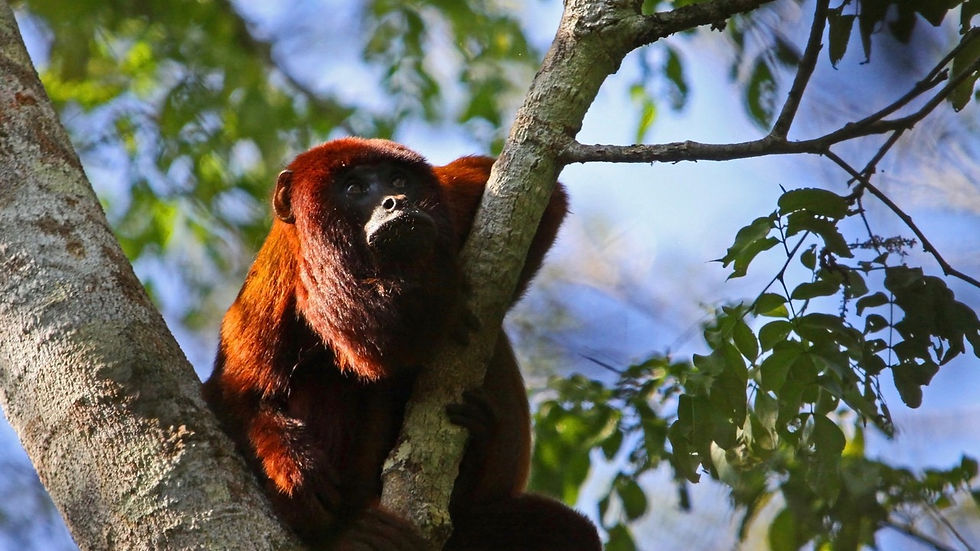
As you trek through the floodplain forest, the air hums with sound. While walking these sounds are strange and unfamiliar: caws, screeches, even purrs. By the end of your Monkey Search, you’ll find many of the animals the sounds correspond to. in the tall jungle perched above the river — known as floodplain the rainforest overflows with diverse wildlife. Because of its rich soil and giant trees, this part of the forest attracts many monkeys! Most noteworthy are the floodplain’s forests many Spider Monkeys, Red Howler Monkeys, and Brown Capuchin Monkeys. In fact, the trail gives you perhaps the best chance to see a wide variety of monkey species. But on this vibrant trail, you’ll find much more than just monkeys. You’ll be amazed at the trail’s diversity!
Discover the majesty of Macaws
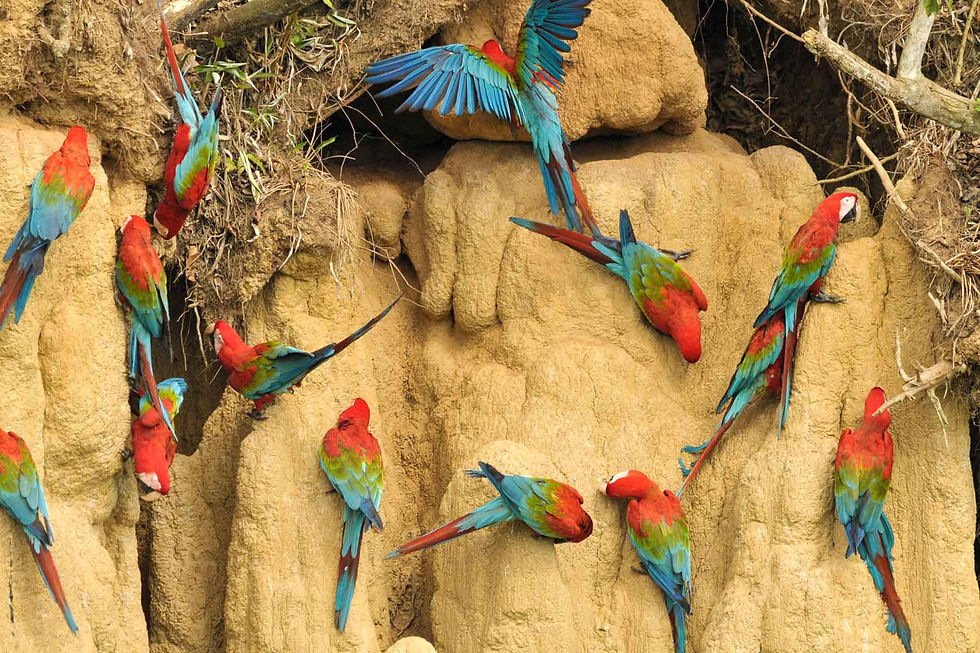
As you sit, subtly hidden on a small river island, the Amazonian sun begins to light up the clay cliff. Suddenly, shrieks and caws fill the air as the jungle’s most charismatic birds swoop down to the Macaw Clay Lick, or Collpa, as it’s known here. Soon, dozens of tiny parakeets, colorful parrots, and brilliant macaws perch and preen on the cliffs. For one of the best tropical bird experiences in the Amazon, you need to visit the Macaw Clay Lick. Due to nutrients, most likely salt, found in the cliff soil, the Clay Lick attracts dozens of species of birds. From huge Red and Green Macaws to Mealy Parrots, the birds flock here to munch on nutrient-rich clay. The macaws are the largest — and loudest — of the bunch, leaving a lasting impression on everyone who sees them.
The Macaw Clay Lick is one of the most stunning wildlife spectacles in the world, making it a must-see for travelers and families who love nature. The humid jungle air fills with the macaw’s screeches as they settle into trees above the bluffs, swooping down to feed on the clay. You couldn’t ask for a more fulfilling, unique experience in the Amazon Rainforest, and the activity is a highlight for all our Rainforest Expeditions guests.
Night live at the Tambopata Jungle
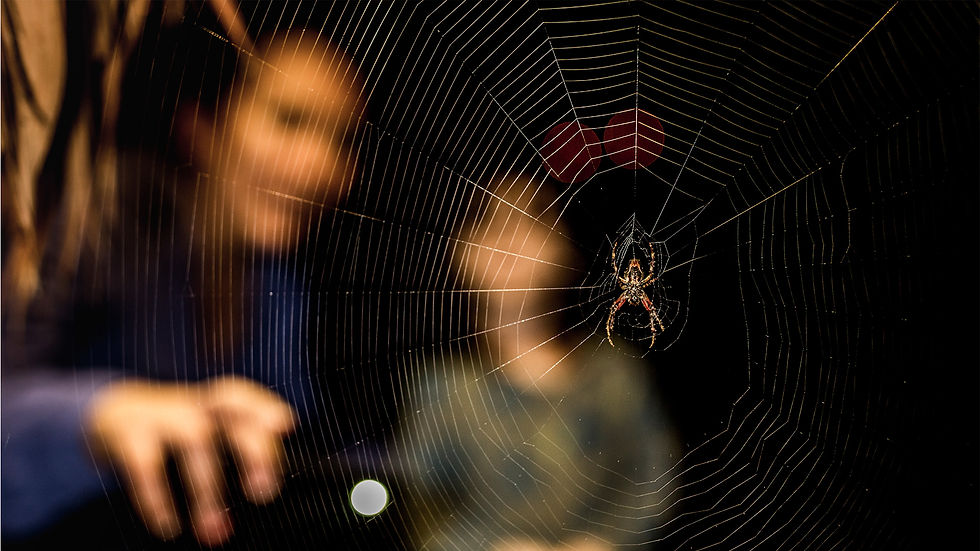
At these final hours of the day, bats, frogs and grasshoppers will show up creating an orchestra of sounds. Other animals that will pop up at night include turtles, monkeys, herons or cranes and the black alligator. It is when you can enjoy the Cayman spotting, you can go to look for White and black Caymans along the river bank with a big spot light, you might see more capybaras and have good chances to spot an ocelot or a jaguar by the river too. Back on land, on the Jungle Night Walk gives you the once-in-a-lifetime chance to see the nocturnal wonders of the Amazon Rainforest. In deep darkness, surrounded by hundreds of jungle sounds and with the help of powerful lights, you enter a world inhabited by the most unique, diverse and shy night creatures. Many animals, especially insects, amphibians, and reptiles, hide from predators during the day. This means that nighttime is the best time to find beautiful tree frogs, shy snakes, and other rainforest creatures that only come out at night. From Night Monkeys to Poison Dart Frogs, Tarantulas to Stick Bugs, you never know what miraculous creature you’ll find!
Amazon Sport Fishing
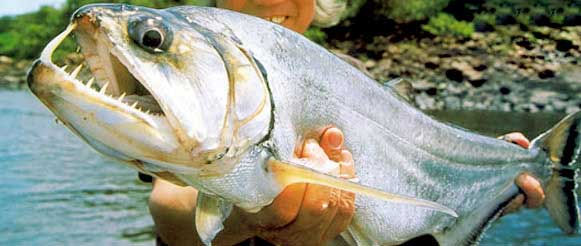
Like all the animals in the reserve, fishes are wild and ferocious, big and strong. Payara, Tucunaré, wolf fish are some of them. You will get exciting bites, hard fighting, high jumping of these ferocious gamefish in one of the biggest rainforest of the world. The waters of Tambopata River offer us a variety of fishes such as Payaras, Pacu (Giant Piranha), Catfish (Zungaros, Piros, Surubim, etc.) Locals usually fish for Payara with spinning and casting tackle. There's a lot of black volcanic rocks in the river and the Payara hunt sardines very close to the shore. The technique is to cast from the rock’s lures like rapala's magnum or sliver, rebel fast track or jawbreaker.
Pacu's takes only fruits and fish meat, locals use sardines for bait and hooks and weights with multifilament lines on the reels. They are really strong. Locals use the same technique with all the catfish.
For a typical Peru fishing tour, a sport fisherman needs a good pair of boots, t shirts, cap, wind jacket, a belt bait box, one 7 footer spinning medium rod for Payara, one 7 footer medium heavy rod for Pacu and catfish, different sinking and trolling lures, a lot of natural bait, hooks and weights.
Visit a local Family
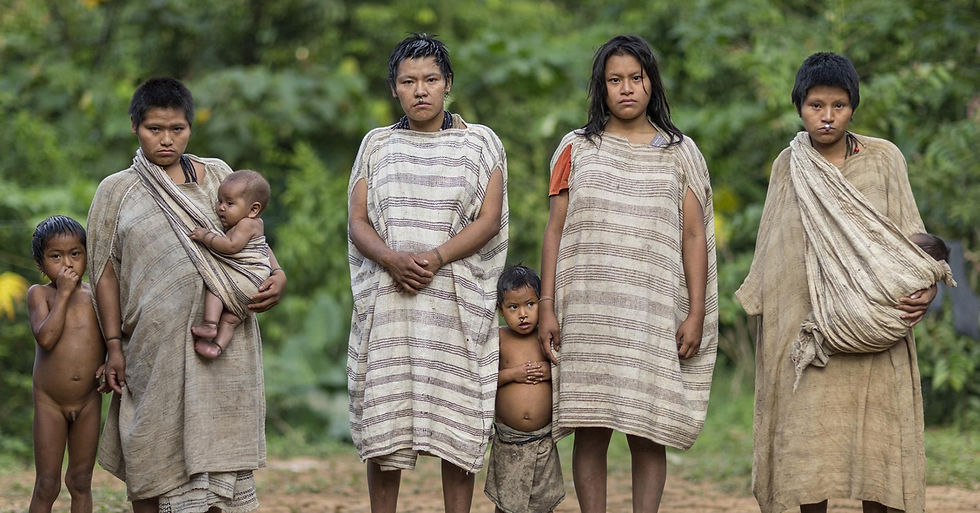
Indigenous peoples lived off of the natural resources of Tambopata’s tropical forests and savannahs without destroying them for thousands of years. In some parts of the region, they continue to live off the land. Traditionally, certain areas were set aside for hunting, and local people managed these areas responsibly to avoid depleting the wildlife populations they depended on for food. In addition, human population sizes remained fairly small in the past, so they didn’t make a big impact on animals.
In modern times, however, Tambopata’s larger human population and greater access to firearms have resulted in unsustainable hunting levels in some areas. Fortunately, the damages of hunting have been alleviated by establishing protected areas in Tambopata, and promoting ecotourism. Nature tourism provides economic and employment opportunities for locals, allowing them to preserve the environment rather than hunt for sustenance. Today, local indigenous groups like the Ese Eja have worked to protect their ancestral lands, collaborating with Rainforest Expeditions on ecotourism and land preservation projects.
It is recommended to stay at least 3 days to better enjoy the jungle.
For more information contact us info@pvtravels.com


Comments