


Top 9 Destinations in Peru
- PV Travels

- Jan 5, 2021
- 6 min read
From spectacular Inca fortresses to lush forests in the clouds, to the snow-capped Andes, Peru appeals to travelers of all kind.
If are you planning a short visit to Peru and can’t decide where to go, we have selected the must-visit places in the country, and what you should do.














1 - Machu Picchu, Cusco
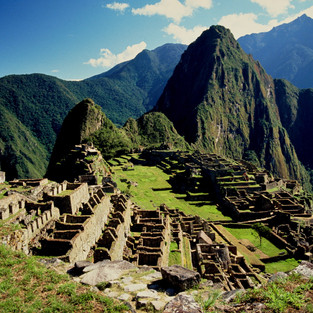
More than 7,000 feet (2,430 m) above sea level in the Andes Mountains, Machu Picchu is the most visited tourist destination in Peru. A symbol of the Incan Empire and built around 1450AD, Machu Picchu was designated a UNESCO World Heritage Site in 1983 and was named one of the New Seven Wonders of the World in 2007.
To get to Machu Picchu you first need to get to Aguas Calientes, which you can take a train trip (the easy way) or to one of the many trek options (for the adventures one) There are no roads to Aguas Calientes, which make it difficult and yet a magic little town!
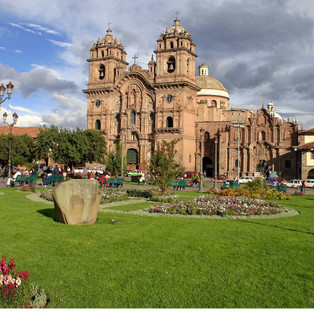
Before or after your visit to Machu Picchu, is more to see in Cusco and you should take advantage of your visit to add on a few other places. The Inca fortress of Sacsayhuaman just 15 minutes away from Cusco´s main square is one of the most impressive architectural wonders of the world, with impressive stone builds.
2 - Sacred Valley
The Sacred Valley of the Incas is a superb spot to explore ancient sites of past civilizations while surrounded by the spiritual energy of the Apus, or mountain gods. This area is also the best place to immerse yourself in the culture and practice with the locals. Here you can eat locally grown and made cuisine or learn about the intricate weaving techniques that have been passed down through generations.
There are also many outdoor activities to partake in, including horseback riding, mountain biking, rafting, hiking and even yoga. You can to spend at least a night or two, at the valley, which is recommend for its lower altitude and from where you can start your visits.
3 - Lima
No trip to Peru is complete without a well-done visit to the capital city. Known as the City of Kings, Lima is rich in colonial flare, pre-Hispanic sites and of course, ample number of places to enjoy Peruvian food. Indeed, Lima has earned the title of Gastronomic Capital of Latin America because of the vast, high-quality and unique gastronomic options, whether its street food or dining at five-star restaurants.
Not only restaurants, Lima has lots of historical and modern places to visit, including the ocean-front malecon in Miraflores; and the romantic streets at Puente de los Suspiros together with the street art at Barranco neighborhood. You can get a glimpse of the historical side of the city at the main square and pre-inca ruins at the Huacas.
4 - Arequipa
Known as the “White City” for its baroque buildings constructed from sillar, a white volcanic stone. Arequipa is as well framed by 3 volcanoes, which give the city a particular and charming atmosphere.
You can’t miss the gastronomy, where you can get a taste of its famed cuisine at local picanterías, An emblematic dish from Arequipa is the “rocoto recheno” pepper stuffed with pieces of meat, cheese, eggs and olives and blanketed with a generous slab of melted cheese.
Walking on the city streets is already a perfect way to get to know the local and see incredible colonial building. A must see in Arequipa is the Monasterio Santa Catalina which was built in 1579 and is so-called "City within the City", since the distinctive features of this place is its isolation. The neighborhoods of Yanahuara and Cayma are a must stop while you are in Arequipa, with great view of the Old town and great photo opportunities!
The visit to Arequipa is not complete until you make it to the Colca Canyon, where you will be immersed in the natural beauty of the area. And enjoy incredible depth, huge condors flying above visitor's heads.
5 - Iquitos
Perhaps the strangest city of all, Iquitos is captured and imprisoned in the middle of the Amazon undergrowth. Since there are no roadways, the city is only accessible by air or by water.
The city is bustling with life, especially at the local market where locals from across the jungle region come to sell produce, fish and other goods.
Make sure to get a taste of the city Iquitos before or after embarking on your trip to the lodges inside the Amazon. Iquitos has a tropical climate, therefore, there is neither summer nor winter. The stations are measured according to the waters of the rivers; emptying (April - October) and increasing (November - March). According to this information, the best time to travel to Iquitos is during the high season. It is said that Gustavo Eiffel not only designed the well-known tower in Paris, he also did so in an apparent way with the Iron House, an attraction that is located in the heart of the city, in front of the Plaza de Armas in Iquitos.
El Juane is a gastronomic symbol of the city. A typical meal based on rice, chicken and wrapped in bijao leaves. To enjoy for breakfast, lunch or dinner.
6 - Paracas
Paracas is a town on Peru's west coast. It's known for beaches, set on sheltered Paracas Bay. The town is a launch point for the uninhabited Ballestas Islands considered the Galapagos Island in Peru, it is home to sea lions, pelicans and Humboldt penguins. Rugged, wildlife-rich Paracas National Reserve spans desert, ocean, islands and the Paracas Peninsula. The peninsula’s Paracas Candelabra is a huge prehistoric geoglyph, etched into a hillside.
During your time in Paracas, you can take a short trip south and take the Sandboarding tour at the Huacachina Lagoon, a dune buggy ride, which is a lot of fun! Sandboarding is quite similar to snowboarding, except instead of facing cold snow and ice, you will be in the warm surrounds of Huacachina desert in Ica Peru! The other big difference is of course that you will be on sand, not snow, and believe it or not, the texture of the sand makes it even faster than snowboarding!
7 - Chachapoyas
Chachapoyas is slowly gaining traction amongst travelers visiting the country. Here you will find the Gocta waterfall, one of the tallest in the world, this 2,530-foot (771 m) waterfall has just two drops, and the powerful free-fall from the second drop is among the tallest in the world.
You can also visit Kuelap, a pre-Inca gem built by the Chachapoyas culture. Kuelap has the first cable car system in Peru that will take visitors to Kuelap in 20 minutes. Previously, the only way to reach this mountaintop jungle fortress was via a multi-day trek or two to three hour bumpy bus ride from Chachapoyas. Now from the cable car you can enjoy the aerial ride into the cloud forests and through the lush, Amazon vegetation as you ascend to 3,000 m.a.s.l. (9,843 feet). The getting there is almost as spectacular as the pre-Inca ruins that await you.
8 - Huaraz
Nestled high in the valleys of the Andes, the Peruvian city of Huaraz has become a mecca for hikers, climbers, and everyday outdoor enthusiasts alike. Most come to traverse the incredible Santa Cruz trek or its larger cousin Huayhuash, two stunning multi-day adventures which offer some of the most spectacular scenery in Peru. But before tackling these serious endeavors, it’s important to spend some time acclimatizing to the dizzying altitude.
One of the most popular hikes will be the Laguna 69, lake is at high elevation at 14,700 feet, so it may be a bit tougher than you expect, and will be all worth once you get to one of the most beautiful lakes in Peru!
9 - Lake Titicaca
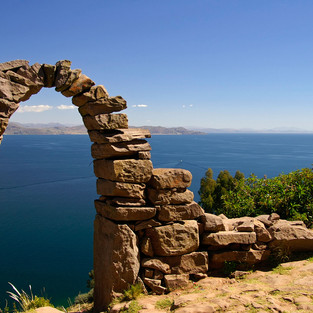
Puno is Definitely worth the trip if you stay on one of the remote islands of Lake Titicaca like Amantani. If you're tight with time and only have a few hours to spend, then skip it. At best you'll visit the floating islands of the Uros people near Puno and won't enjoy it. At 12,500 feet (3,810 meters), Lake Titicaca is the highest navigable or large lake in the world, meaning it's the highest lake in the world that boats can navigate. Lake Titicaca region had to offer from majestic sunsets, stunning bucolic landscapes to colorful, friendly locals.
The most famous Island are Taquile, Amantani and the floating Uros islands offer the opportunity to experience directly the traditions and customs of communities that have learned to make the most of their surroundings and live in harmony with nature.


Comments