


Visiting Cusco - what to see and do!
- PV Travels

- Dec 26, 2020
- 8 min read
The mountain city of Cusco in Peru was once at the very heart of the Inca Empire. Today, it is best known for being the gateway to Machu Picchu, but there are many more wonders within the city waiting to be explored - it's a must to include in your Peru itinerary.
However, with over two million tourists arriving every year, Cusco is not cheap; only Lima, the capital city, is a more expensive place to visit in Peru. Restaurants and bars tend to be pricy, and most of the popular attractions charge entrance fees. With a bit of inside knowledge, though, it's still possible to have a fulfilling experience in this stunning city without spending a fortune. You can get started with these things to do in Cusco.

ADMIRE THE ARCHITECTURE
From the first moment you step out into the streets of Cusco you can’t fail to be amazed by the atmospheric architecture and ambience of this city.
Crumbling stone buildings and cobbled streets belie a colonial city that was layered up on an ancient Incan city – once of the epicentre of this huge kingdom.
The streets of Cusco seem to hold stories as thin alleys clatter with Peruvian and small doorways allow sneaky peeks into hidden courtyards, this is a city that has retained as much of its history as it has embraced the 21st century, and a point in case are the Inca walls still visible within the city centre.
Admiring the architecture and feel the city and just wander the streets for an afternoon, is definitely one of the best things to do in Cusco.

CHECK OUT THE CHURCHES
The Catholic Church accompanied, from the beginning of the conquest, the Spanish forces. To kick off their evangelizing, priestly orders of the time built their churches over the most important and spectacular Inca palaces and temples to show off their power and impose its religion on the population of Cusco. On the other hand, they had to be built to house the clergy convents. Sticking
There are actually 32 churches alone with Cusco’s historic centre and while it’s unrealistic, if not tedious, to suggest you visit them , checking out a few is certainly one of the best things to do in Cusco.
The main players are the Cathedral de Cusco, which lies off the main square – Plaza de Armas – Santo Domingo, Minor Basilica de La Merced and Church of the Society of Jesus
Cusco Cathedral - Considered a Cultural Patrimony of Peru and a UNESCO World Heritage Site, construction of the Cusco Cathedral took 95 years to complete (1560-1654). Located in Cusco’s main square, the ornate church was built with stones from the nearby Sacsayhuaman site. Styles such as Baroque, Gothic and Renaissance are present inside and out. What the naked eye can’t see however is that the Cusco Cathedral was erected where an Inca temple and palace once stood. Today the Cusco Cathedral continues to be a place for worship as well as an important repository for colonial art, archaeological artifacts and relics. To visit the inside of the Cathedral, there is an entrance fee of 25soles per person and is open from 10am to 5pm. You can visit it for free in you go at mess time from 6am to 9am, just make sure you don’t interrupt the mess!
Santo Domingo convent - Located just around the corner from the Main Square, the striking Santo Domingo convent sits atop the foundation of the Qoricancha. Considered to have been the most important Inca building, the Temple of the Sun was pillaged and torn down decades before the Spanish would finish construction of the convent in 1633. A unique blend of colonial and Inca design, some of the curved walls and even the garden space of the Coricancha remain on the grounds of this well maintained monastery. Walk beneath beautiful cloisters and admire the collection of centuries-old paintings done in the Escuela Cuzqueña style (indegenous artists taught to paint in European style). To visit inside the Coricancha costs 15soles per person and it is open from 9am to 5pm.
Convent of La Merced - Standing in front of the Plazoleta Espinar, about 100 meters from Cusco’s Main Square, is what many consider to be the most beautiful churches in Latin America. The Convent of La Merced was destroyed in 1650 and would take nearly 20 years to be rebuilt. The rustic walls of the cloister are hung with paintings from the Escuela Cuzqueña and the church houses the tomb of conquistador Gonzalo Pizarro (brother of Francisco). Don’t miss the on-site museum where a solid-gold monstrance drenched in jewels is on display. To visit inside the church there is an entrance fee of 10soles per person
Church of the Society of Jesus - Similar to the San Pedro Apóstol de Andahuaylillas, this church is part of the Andean Baroque route. Known as the Iglesia de la Compañía de Jesús, it was built by the Jesuits in 1571 (though it would have to be rebuilt after a destructive earthquake in 1650). Located in the Main Square of the ancient capital of the Inca Empire, the church lies on top of what was once the palace of Huayna Capac.
The stateliness of the Church of the Society of Jesus rivals that of the cathedral: from the baroque facade, complete with two detailed canvases, to the largest altar in Peru tucked inside. Be sure to soak in the views from the second floor choir. To visit inside the church there is an entrance fee of 10soles per person

WALKING AROUND THE CITY
Most of the major religious buildings and indeed much of Cusco life, revolves around the city’s plazas, which are a delightful place to stroll, sit and soak it all in.
Benches filled with locals and tourists make the plazas beautiful spots to see local life at its best and whether morning, noon or night, they are always a hub of action.
The perfect place to take a break from the sightseeing and catch your breath in this lofty city sitting in some of the city’s squares is definitely one of the best things to do in Cusco.
If you take any of the little calles (streets) to the north of Plaza de Armas you´ll find yourself going up. You will take the ancient Incan road, Hathunrumiyoc (Quechua for “great stone street”) towards San Blas. You will be surrounded by ancient Incan history, where you can admire the famous 12-angled stone, set into one of the best-surviving walls in Cusco. This is definitely one of the most beautiful streets in Cusco.
At San Blas area, just a few blocks from the main square, you will find lot of the restaurants, veggie / vegan ones especially, this part of town, sits on a hill above the main centre and is one of the favourite parts to wander, chill and visit the fabulous San Blas market. In the square you will find San Blas Church, a simple adobe church which houses the 17th Century Pulpit of San Blas, considered being one of the jewels of colonial art in Latin America and which was intricately carved from a single cedar tree trunk and is dominated by a triumphant figure of Christ.
You can enjoy the sunset at the Lookout which is also located in San Blas is the best lookout in Cusco centre – namely the mirador de San Blas.
This is a great spot to come and enjoy the fading colours at the end of the day, plus the cute benches here make it a nice place to chill too.
Alternatively, the glass-fronted Limbus Bar found here is the place to enjoy the view with a Pisco Sour in hand!
Standing even higher up, to the north of San Blas, an 8-metre-high statue of Jesus Christ looks out over the city with outspread arms. This is Cristo Blanco, the statue was gifted to Cusco by Palestinian refugees who travelled to the city after World War II. You can reach the Cristo Blanco statue by foot in about half an hour from Cusco's historic centre. Alternatively, if you would prefer to avoid the steep ascent, you can take a taxi for about 15 soles. When you reach the top, not only will you be able to see the impressive statue up-close, but you will also find a spectacular view over the entire city. Glance to your right and you can also glimpse the well-preserved ruins of Sacsayhuaman, a fortress that is regarded as one of the greatest surviving examples of Inca engineering (you can visit and explore the ruin site too, but to do so you need to buy a 'Cusco Tourist Ticket' for 70 or 130 soles which provides entry into multiple historic sites in town).
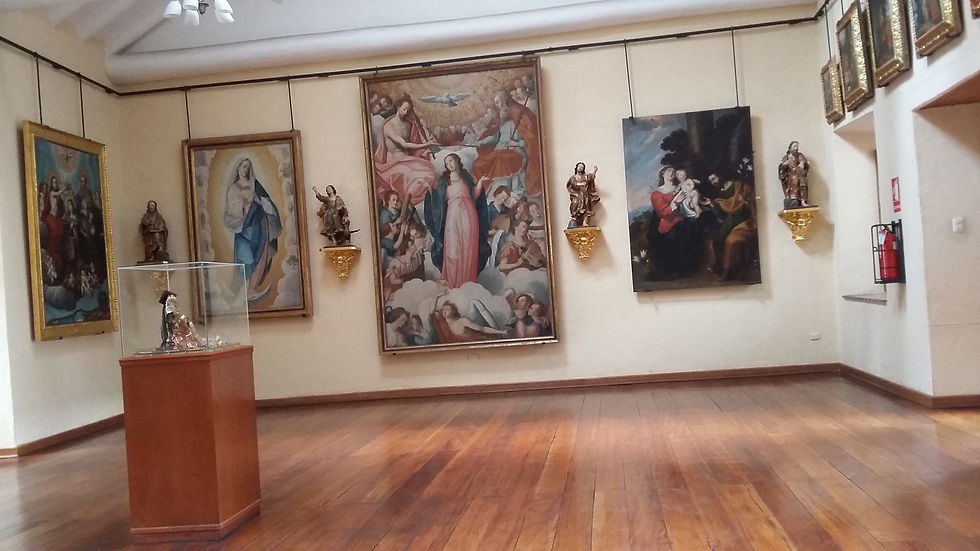
VISIT SOME MUSEUMS
Visiting Cusco would be complete without seeing at least a few of its magnificent museums.
While the vast majority of museums in Cusco charge an entrance fee, there are a small handful of hidden gems where you can discover aspects of the city's culture and history for free. A couple of minutes' walk south-east of Plaza de Armas is free museum: Museo Maximo Laura. Open seven days a week from 8am to 9pm, this place has the feel of an art gallery, displaying the bright and colourful tapestry works of Peruvian modern artist Maximo Laura.
For something a little different, Choco Museo gives an insight into centuries of chocolate production in Peru. Located two blocks west of Plaza de Armas, this cosy museum-shop educates about how cocoa beans are processed and transformed into chocolate - you can even try some free chocolate samples too. It's free to enter, or you can pay 70 soles to join a chocolate-making workshop.
Museo de la Coca (Coca Museum) a fascinating little museum all about the rich history of Peru’s famous plant.
People traditionally chewed coca leaves for nutritional and religious reasons. Workers and warriors alike would carry it between their teeth because they believed the plant could ward off hunger and bolster stamina. Coca was also known to have medicinal properties and was used to treat a wide variety of ailments ranging from altitude sickness to dehydration to broken bones. The museum is on San Blas square. It's a tiny doorway that is easily overshadowed by the neighboring tourist shops (look for the small sign above the door).
Inca Museum in Cusco. The charmingly modest Inca Museum (Museo Inca), a steep block northeast of the Plaza de Armas, is the best museum in town for those interested in the Incas. It is also known as the Admiral’s House, after the first owner, Admiral Francisco Aldrete Maldonado. This museum contains artifacts that trace Peruvian history from pre-Inca civilizations and Inca culture to the impact of the conquest and colonial times on these native cultures. The restored area is filled with Inca trinkets and everyday items such as ceramics, textiles, vases and jewelry. However, the museum’s crowning jewels remain the world’s largest collection of queros (ceremonial Inca wooden drinking vessels) and a large number of Inca mummies. It has an entrance fee of 10soles per person

LOCAL MARKETS
The vibrant local market halls and street stalls are at the crux of city life in Cusco. You can enjoy an immersive cultural experience just by meandering and window-shopping at some of the city's legendary marketplaces. You don't actually need to spend any money to have a good time at these markets. Cusco's most famous market is San Pedro, located a few blocks south-west of Plaza de Armas. Inside the giant hall of San Pedro Market you will find rows upon rows of busy stalls selling anything from household goods and textiles to local food produce. It's also a great place to grab a traditional Cusco dish for lunch at a very cheap price. If you wander to the south of San Pedro Market, you will find many more local shops and market stalls spread across the nearby streets. This area is a gem for travel photographers seeking to capture the community spirit in Cusco (although, be respectful of course if taking photos of people, and be prepared to tip). Visit during the morning at weekends to witness the frenetic pace of local shopping at its peak.
The San Blas neighbourhood is another top spot for perusing markets, although it is focused a lot more heavily on selling to tourists than locals. The district has its own central market square where you can find local vendors selling their craftwork and souvenirs. If you explore further into the surrounding cobbled streets, you will encounter many more craft and gift shops to get an essence of the city's artisan scene.


Comments